-
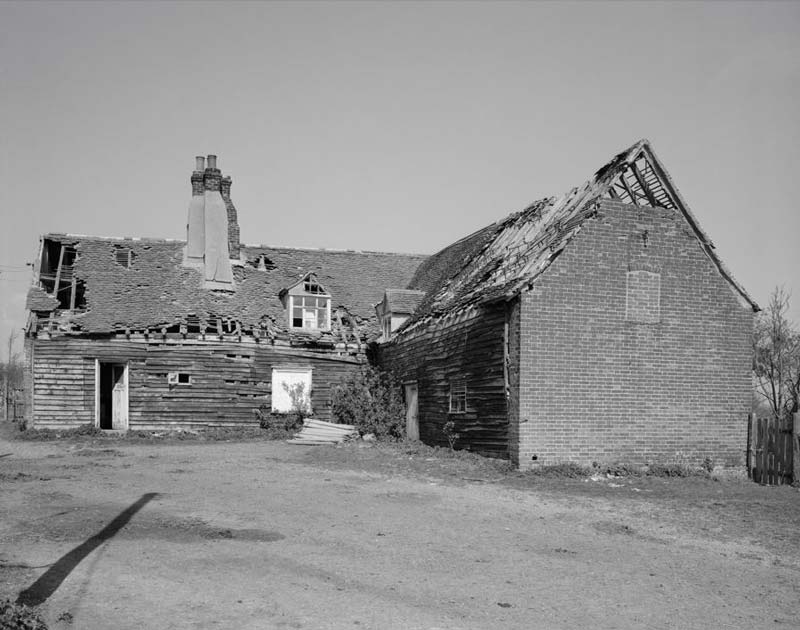
An opportunity to bring the farmyard back into viable 21st century use.
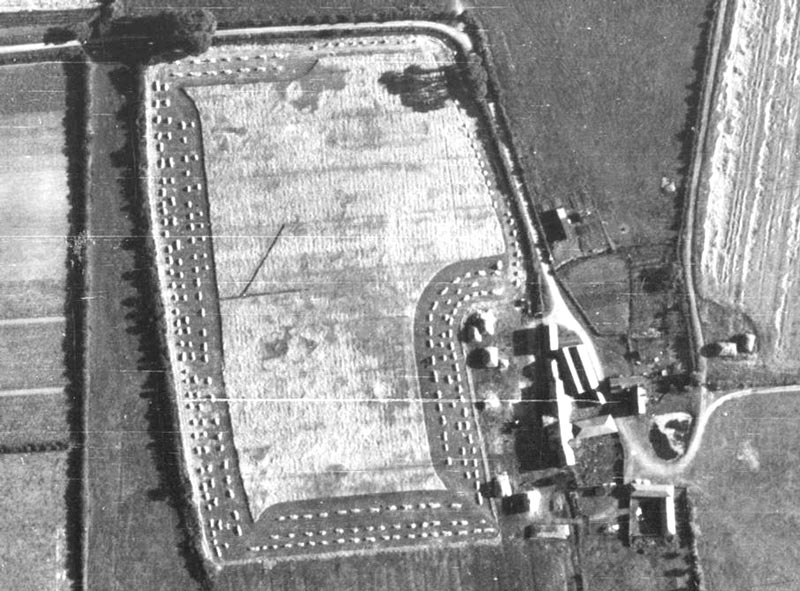
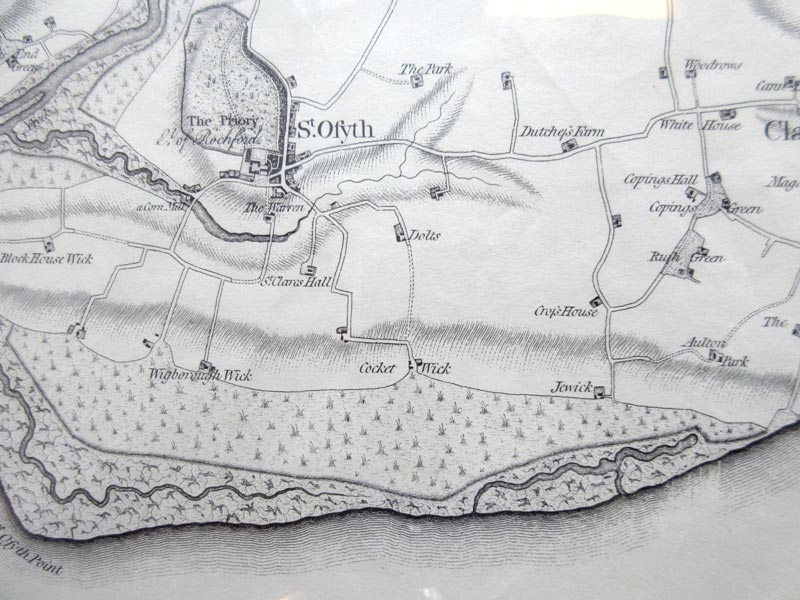
The site is an ancient one, Cockett Wick being shown on Chapman and Andre’s map of 1777 and it is mentioned in a will of 1582. Documentary evidence shows that the farmstead was one of St Osyth Abbey’s wicks with large amounts of coastal marshland grazing leased to local farmers since at least the late 15th century. In the mid-19th century, the farm was sold into private ownership.
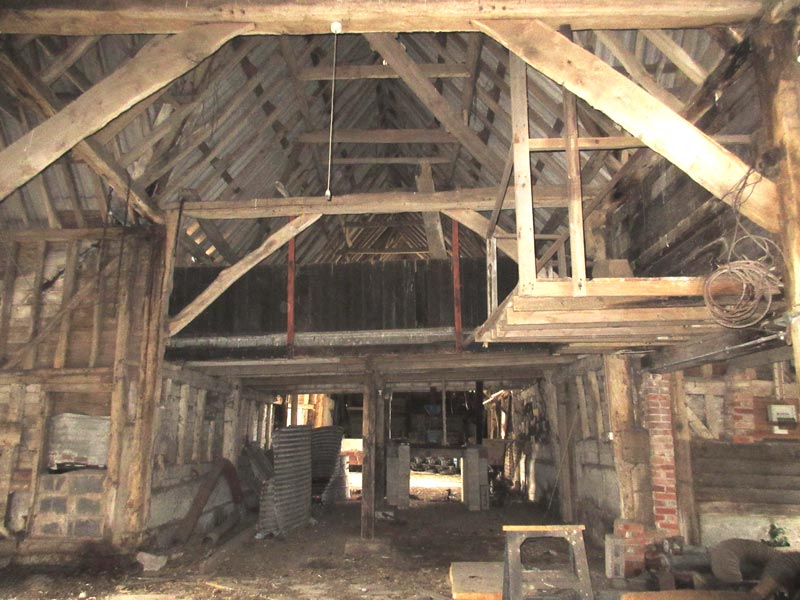
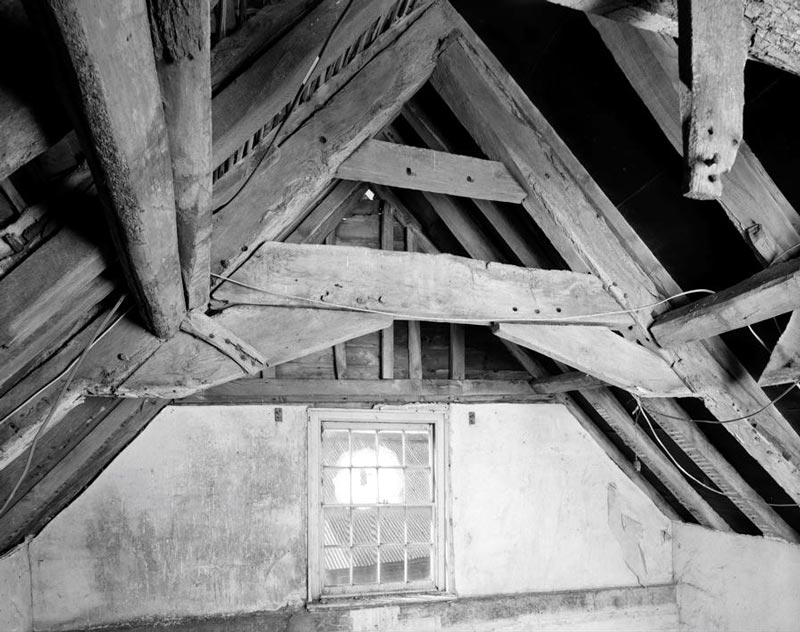
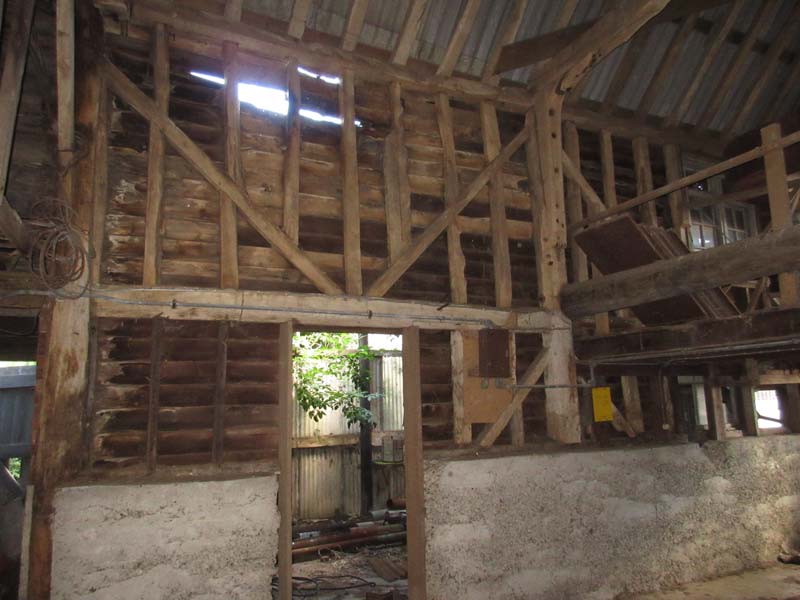
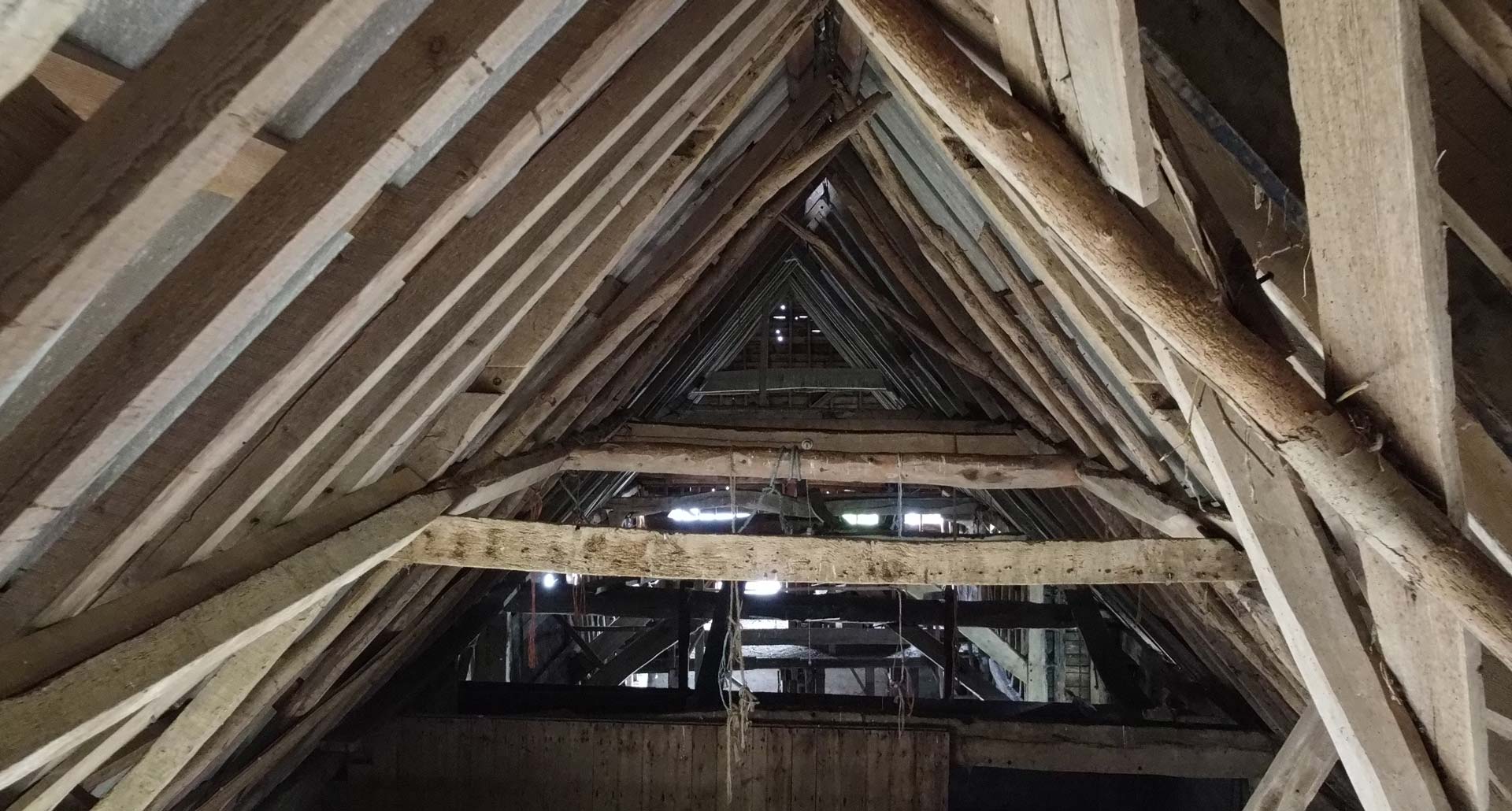
At Cockett Wick, the size of the barn, with its eight bays and two midstreys, indicates large scale corn growing from the mid-19th century, by which time further agricultural buildings had been added to the farmyard.
As farming activities, both arable and livestock, increased during the late 19th and the beginning of the 20th century, this generated a need for additional buildings such as stables for working horses, cattle sheds, piggeries, milking parlours, cart lodges and machinery sheds. As farming practices change, and agricultural machinery gets larger, the historic barns are no longer fit for purpose which often results in them falling into disrepair.
The proposals have been informed by structural surveys and a heritage assessment and seek to retain as many of the farm buildings as possible. The applicants are keen for the proposals to be sensitive to the heritage of the site while also creating new buildings where appropriate and bringing in new uses for the buildings to ensure their viability and protect them for the future.
The listed barn and farmhouse are to be carefully managed to ensure as much of the materials as possible can be salvaged and re-used in the reconstruction.
The redevelopment of the site at Cockett Wick Farm is considered to provide significant heritage benefits:
The 19th century saw an expansion of farming activities at Cockett Wick, reflecting a national trend when there was a shift towards arable farming encouraged by rising demand from the London market and increasing grain prices during the Napoleonic Wars. The number of farm buildings gradually increased and a rear wing, including a farmhouse diary, was added to the Farmhouse. The farmstead had always been mixed, with both corn growing on the higher ground and livestock grazing the coastal pastures but more buildings were needed as the farm increased in size and improved drainage enabled the addition of more marshland.
During the 17th century the farm increased the number of agricultural buildings at Cockett Wick and in particular the extension of the 17th century threshing barn which, by 1874, had acquired two porches (Midstreys) on the west elevation indicating two threshing floors and plenty of grain storage space. During the 19th century, the corn would have been hand threshed using a flail, the opposing doors at either end of a paved threshing floor facilitating a through draught to separate the residue from the winnowed ears.