Landscape
Landscape assessment work has been undertaken to understand the landscape context of the site. The site is within a rural location of predominantly arable fields, with an extensive woodland patch to the north. There are regular farmsteads within the immediate rural landscape sandwiched between the sea in the south and urban towns of Clacton-on Sea to the east and Brightlingsea to the west.
The landscape is strongly influenced by the coastal setting and the extensive holiday parks along the coast.
The site is located on land raising from the south. Arable fields are lined by established hedgerows with some trees, although pasture within the marshland is open with drains and ditches marking edges. The topography within the site is relatively level, however there is a fall towards the coast in the south. The site lies on a coastal plateau landscape falling to the south.
The site is within the landscape character area ‘Brightlingsea Clacton Frinton Coast’ which is described as open farmland on gently sloping or flat arable fields, with very few hedgerows and an absence of trees. There are sand and shingle beaches with significant areas of saltmarsh and mudflats along the estuary and its connecting creeks in the west.
Although the proposal includes some holiday accommodation the farmstead setting will be retained as a landscape backdrop to the lodges and redeveloped barns.
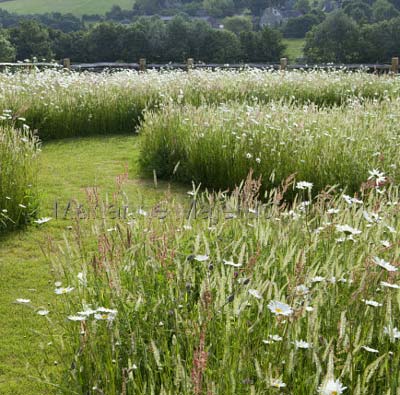
Extensive tree planting will follow the field edge and create small woodland continuing the characteristic of the landscape. The attenuation basin will support native shrub and wildflower species and will be set within the western field which will be planted as wildflower meadow. The original orchard will be restored with the introduction of locally developed fruit tree varieties.
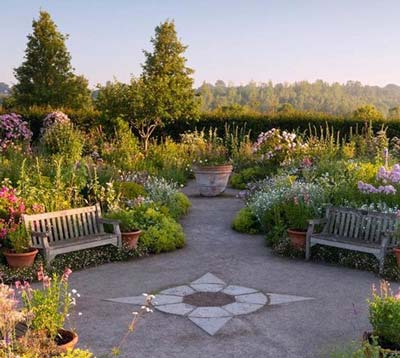
The central restored timber framed barn will be set within a courtyard of aged stone pavers featuring a long water rill that will have a cooling effect and tranquil sound for outside dining areas. Large specimen tree planting will also have a shady effect. The landscape materials will reflect the rural setting and soft hued materials including gravels and pale setts will be used within paths and roadways.
Gaps in the wooded setting in the northern portion of the site house the holiday lodges whilst mature boundary trees and hedgerows have been retained.
Ecology
As part of the development of the site proposals ecological surveys have been undertaken to ensure minimum disturbance to the local wildlife.
A Preliminary Ecological Appraisal has been conducted which highlighted the need for protected species surveys for bats, great crested newts (GCN), reptiles and birds. These surveys have been conducted in accordance with the latest survey guidelines by independent, qualified and experienced ecologists. The surveys have confirmed the presence of several bat roosts, reptiles (common lizards and slow worms) and various bird nesting locations, including barn owls.
European Protected Species (EPS) mitigation licences will be obtained from Natural England to allow the work to proceed and ensure that the favourable conservation status of all protected species on site are maintained.
The proposals seek to maintain and enhance many of the on-site habitats. General mitigation to protect wildlife during the construction period as follows:
- Any excavations will have a rough sawn plank placed inside to act as a ramp to allow any animals that have fallen in to escape. The excavations will be checked each morning works are scheduled for, to remove any animals trapped.
- Construction materials will be stored of the ground on pallets and waste materials in skips, to prevent providing shelter for animals and subsequent harm when materials are moved.
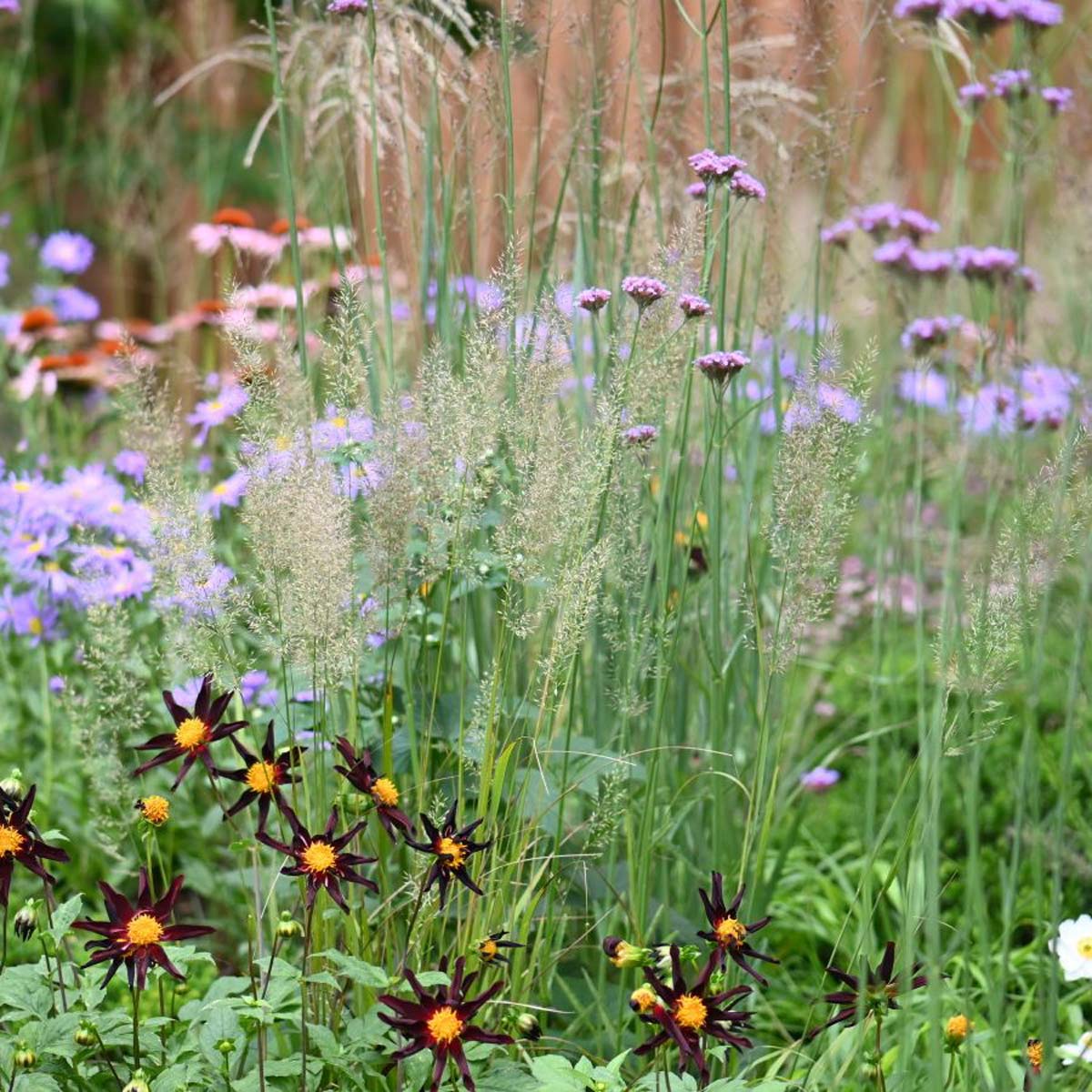
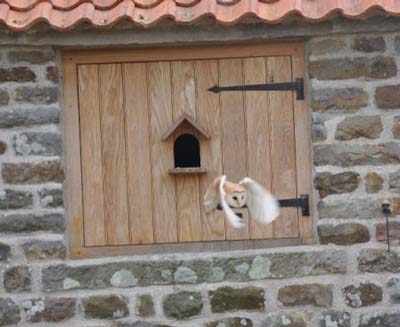
The planting palette will predominantly be native, with extensive flowering shrubs and grasses that will provide foraging for mammal and birds. Habitat boxes for owls, bats and bird species will be integrated with the buildings to ensure biodiversity is maximised.
Additionally, a Biodiversity Net Gain Assessment (BNGA) has been conducted and will be used to calculate the biodiversity value of a site both pre- and post-development. Although the plans and BNGA calculated the biodiversity value of a site both pre- and post-development. Although the plans and BNGA calculations have yet to be finalised, the proposed development aims to achieve a biodiversity net gain of ≥10%.
Trees
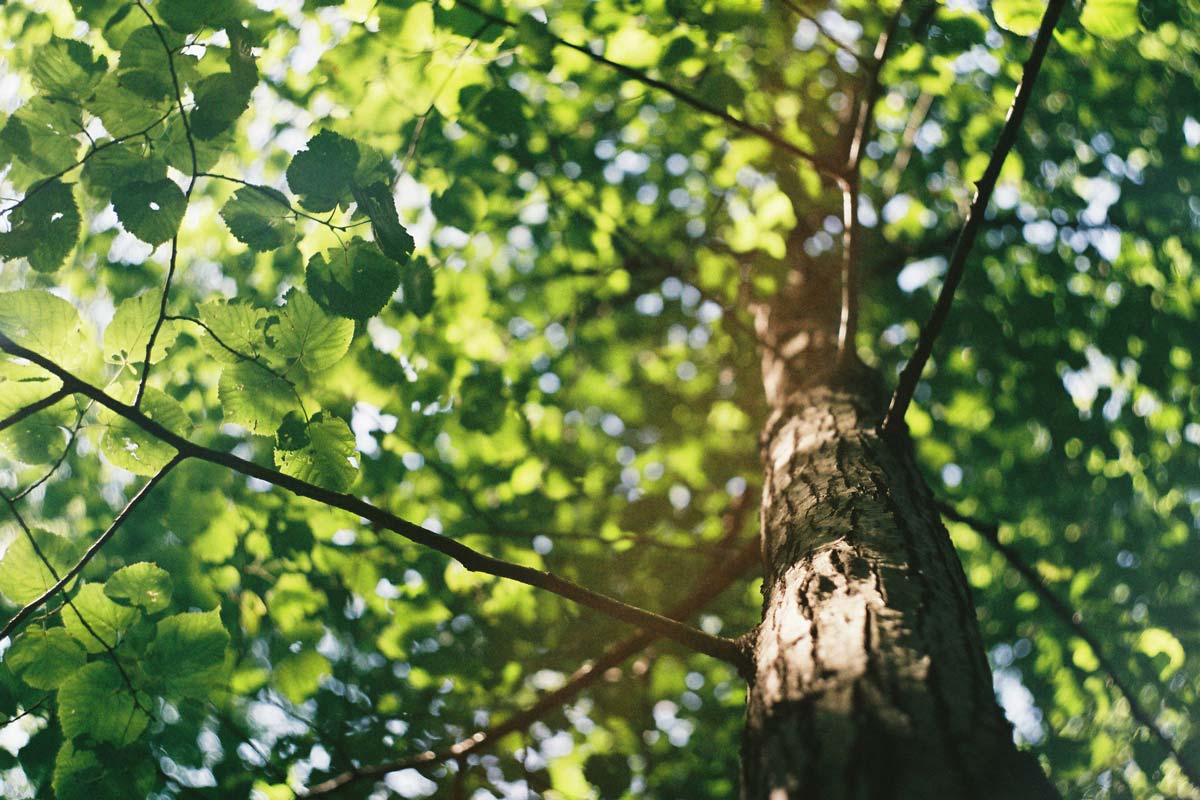
A tree survey has been conducted at the site in accordance with “Trees in relation to design, demolition and construction – Recommendations” (BS5837:2012).
This plotted the trees to a topographic survey, categorised them by their quality and value, and calculated generalised root spreads to help inform layout design and at each stage help determine which trees would be impacted by the proposals and which would not. The majority of trees on site are considered to be of moderate quality or of low quality.
The design has sought to minimise tree and shrub removals, however where losses are required and provide additional native tree and hedge planting areas. The planning application will include details of how the trees and shrubs that are to be retained will be protected during the development process.